
It sounds like the plot of a high-stakes sports drama, but the threat is very real: The Women’s National Basketball Association (WNBA), fresh off the most successful season in its 28-year history, is teetering on the brink of extinction. It isn’t a lack of interest, talent, or merchandise sales threatening to close the doors. Instead, it is a boardroom war that has turned into a game of chicken between the league’s owners and its players—a game where one wrong move could see the entire edifice of women’s professional basketball in America come crashing down.
To the casual observer, the situation makes zero sense. By every metric, the WNBA is booming. Arenas are packed, TV ratings have shattered records thanks to the arrival of generational talents like Caitlin Clark and Angel Reese, and merchandise is flying off the shelves. Yet, in the midst of this golden age, 98% of WNBA players recently voted to authorize a strike. They are threatening to walk away from the game right when the world is finally watching. Why?

The Offer and the Rejection
The confusion deepens when you look at what the players turned down. The league’s owners put a historic offer on the table: a maximum salary increase to $1 million—a staggering 416% jump from the current ceiling of roughly $241,000. The average salary would skyrocket to over $400,000, with incentives pushing elite earners past the $1.2 million mark. On paper, it is the kind of generational wealth players have campaigned for since the league’s inception. It is “buy your parents a house” money.
Yet, the players said no.
The sticking point isn’t the dollar amount; it is the structure. The players are demanding the “NBA model”—a 50-50 split of all basketball-related income. They want their financial future pegged to the league’s revenue, ensuring that as the pie grows, their slice grows automatically. It is a demand for partnership rather than just employment.
However, the owners, backed by the looming presence of NBA Commissioner Adam Silver, have drawn a line in the sand. Silver has reportedly stated he has “no interest” in pegging player salaries to a percentage of revenue. His reasoning, and that of the owners, is based on cold, hard arithmetic: You cannot split profits that do not exist.
The Cold Reality of “The Pie”
This is where the emotional narrative of “fairness” collides with the brutal reality of business. The players argue they built the league and deserve a share of the equity. The owners counter that they have subsidized the league for 28 consecutive years of financial losses. In their view, the WNBA is not a profitable juggernaut like the NBA, which generates billions annually; it is a business still trying to stop hemorrhaging cash.

When negotiating for a profitable league, sides fight over how to split the winnings. In a league with a history of debt, the fight is over who absorbs the losses. The owners feel they are offering guaranteed stability—fixed costs they can budget for—while the players are asking for a share of revenue that doesn’t even cover the league’s operating expenses.
The “Project B” Nightmare
Adding a terrifying layer of complexity to this negotiation is the whisper of “Project B.” This is the scenario that keeps executives awake at night: a well-funded, rival women’s league waiting in the wings to capitalize on a WNBA stumble.
If the WNBA players strike and the season is cancelled, every player effectively becomes a free agent. Their contracts would no longer bind them to a defunct season. In this vacuum, a competitor—perhaps an expansion of the “Unrivaled” league or a new entity backed by venture capital—could swoop in. Imagine a scenario where a rival league offers Caitlin Clark, A’ja Wilson, and Breanna Stewart the revenue-sharing model they crave. In one fell swoop, the WNBA could lose its entire roster of stars, rendering the 28-year-old brand a hollow shell. It has happened before in sports history; the ABA challenged the NBA, and the USFL challenged the NFL. In a capitalist market, loyalty rarely survives a better offer.
The “Caitlin Clark Effect” and the Casual Fan
Perhaps the biggest leverage the players think they have is the fan base. But this is a double-edged sword. The massive influx of fans in the past year is largely comprised of “casuals”—people who tuned in specifically for the storylines, the rivalries, and the phenomenon of Caitlin Clark.
These fans do not have the decades-long loyalty of die-hard NBA supporters. If the NBA locks out, fans wait. If the WNBA cancels its season, these new fans might simply move on to Netflix, the NFL, or college basketball. The momentum the league has built is a living, breathing thing that needs to be fed constantly with games and highlights. A work stoppage could kill that momentum overnight, turning the “year women’s basketball went mainstream” into the “year women’s basketball destroyed itself.”
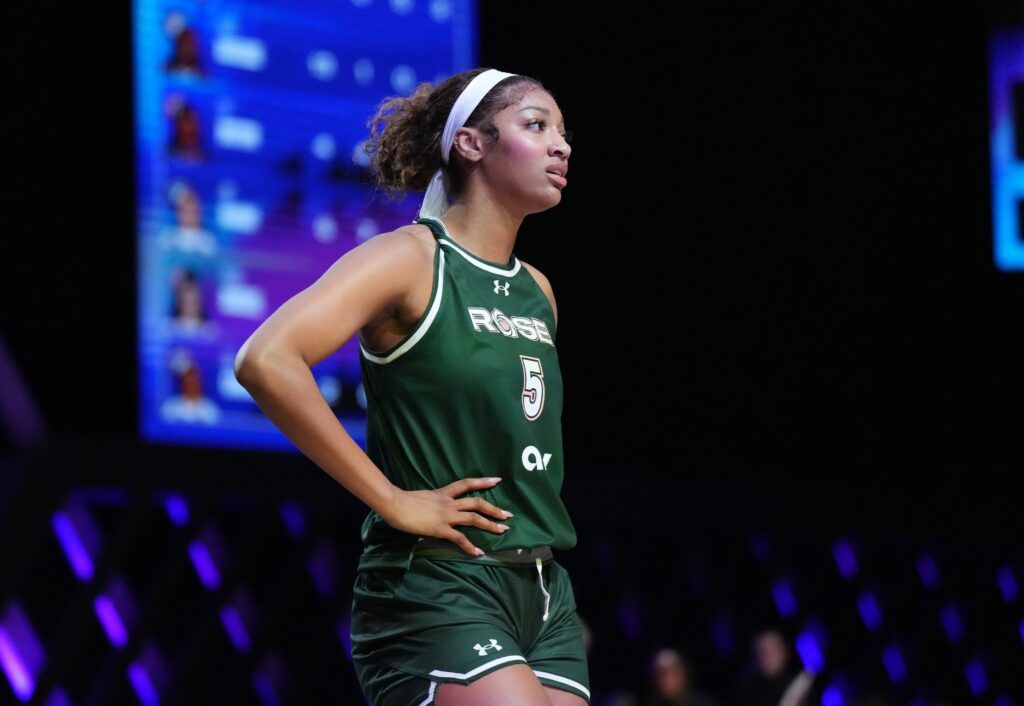
The Silent Dissenters
Interestingly, not everyone is on board with the nuclear option. While 98% voted to strike, 3% voted no. While their identities remain anonymous, speculation runs rampant that players like Caitlin Clark—who has massive off-court income from endorsements—might be among them. For a player earning millions from Nike and Gatorade, a cancelled season destroys her brand exposure for a fight over a salary that constitutes a fraction of her income. For the rank-and-file players, however, that salary is everything. This internal friction adds another layer of volatility to an already explosive situation.
A Crossroads for Women’s Sports
We are witnessing a classic tragedy in the making. Both sides are fundamentally right. The players are right that they deserve to be partners in the growth they are driving. The owners are right that you cannot pay salaries with projected future earnings.
But being “right” doesn’t save a business. As the clock ticks down toward the 2025 season, the WNBA faces a choice. One path leads to compromise, incremental gains, and the continued ascent of women’s sports. The other leads to silence, empty arenas, and the potential end of the league. Adam Silver, the owners, and the players are currently playing a high-stakes game of poker with the future of women’s athletics. Let’s hope someone folds before the house burns down.


